Research
Our laboratory studies how T cells become protective, durable and tissue-localised, and how those principles can be used to design next-generation vaccines and immune interventions.
The program is organised around three connected themes.
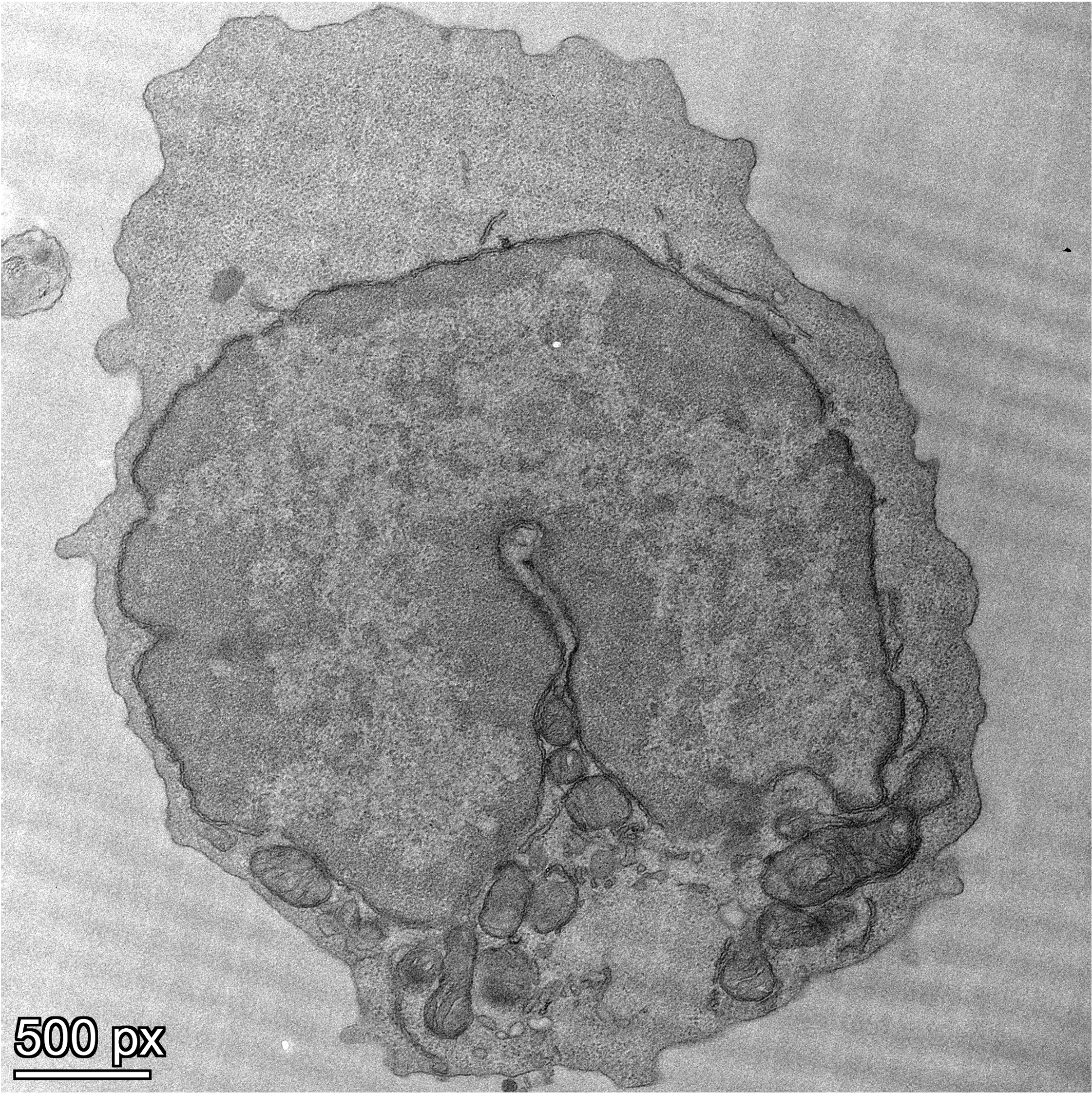
1. Fundamental T cell biology and non-coding RNA
T cell fate decisions sit at the centre of protective immunity, vaccine efficacy and immune pathology. We investigate how T cells integrate antigen, cytokine and tissue-derived signals to become effector cells, circulating memory cells or tissue-resident memory cells.
A major focus is the role of non-coding RNA in cytokine-instructed T cell differentiation and immune programming. This work brings together cellular immunology, transcriptomics, genomics and RNA biology to ask how RNA-based regulation controls immune function.
Key questions include:
- How do cytokines instruct durable T cell differentiation?
- Which non-coding RNAs regulate protective or pathogenic T cell states?
- Can RNA biology be harnessed to modulate immune responses therapeutically?
2. Experimental vaccine development and mRNA vaccine platforms
Effective vaccines must generate the right immune response, in the right tissue, for long enough.
We apply mechanistic T cell immunology to vaccine and immunotherapy design, with a focus on platforms that generate strong cellular immunity. Current work includes mRNA-based vaccine strategies, immune evaluation of vaccine formulations, and approaches that direct T cell responses toward tissue-resident memory.
This theme connects the lab with the UNSW RNA Institute and broader UNSW strengths in RNA science, delivery chemistry, genomics, infection biology and translational vaccine development.
Key questions include:
- How can vaccine platforms be tuned to generate tissue-localised memory T cells?
- Which formulation and delivery strategies best promote protective T cell immunity?
- How can preclinical immune readouts better predict useful vaccine responses?
3. Malaria immunology and tissue-resident memory T cell-based vaccination
Malaria remains a major global health challenge and an important system for understanding tissue-localised immunity. Our work has helped define liver-resident memory CD8+ T cells as a front-line defence against malaria liver-stage infection and has shown that vaccination can be designed to generate these protective cells.
At UNSW, we are extending this work toward antigen discovery, mRNA and other vaccine platforms, and human translation. We study the antigenic, cellular and tissue-localisation requirements for durable protection, and work with partners in malaria-endemic settings to test whether mechanisms discovered experimentally are relevant to human immunity.
Key questions include:
- What makes a malaria antigen effective for T cell-mediated protection?
- How do liver-resident memory T cells form, persist and protect?
- How does blood-stage malaria affect vaccine-induced cellular immunity?
- Can mechanisms from mouse models be translated into human malaria immunity?
Platforms and approaches
We combine experimental immunology and translational systems, including:
- flow cytometry, tetramer-based immune profiling and T cell functional assays
- preclinical infection and vaccination models
- tissue-resident memory T cell analysis across organs
- transcriptomics, RNA biology and genomics
- antigen discovery and vaccine immunology
- human sample analysis through collaborative studies
- partnerships in malaria-endemic and vaccine-development settings
Translation
The long-term goal is to use T cell biology to build better vaccines and immune interventions. We work across fundamental discovery, RNA biology, vaccine design, preclinical models and human translation.